How to take the fear out of wearing colour and embrace a bold wardrobe
When I saw a colour consultant for the first time, I was in my early 20s. She defined my colour palette as ‘Winter’. It was the first time I had come across that term for defining the best colours for me to wear, but I soon understood it better by working with a colour swatch she gave me to refer to.
It fit right in with how I felt—I was not particularly confident and thought wearing black and ‘looking cool’ would hide that. Eighty per cent of my wardrobe was black, and the rest was either white or red, perfect for a Winter palette. This was in the 1980s, so neutral wasn’t a consideration. Beige was seen as the colour of the elderly, so I was pretty happy in black.
But, the truth is, I was hiding. I was afraid of colour. I didn’t know it at the time but I came to understand it through learning how to use colour in my clothing.
Is the fear of colour natural?
When I say I was ‘afraid’ I don’t mean real fear. Chromophobia is defined as ‘the intense fear of colours and is a persistent fear of or aversion to colours. There is also the fear of green specifically prasinophobia and erythrophobia, the fear of red. Most people with chromophobia have an extreme aversion to one or two colours in particular — or they may have a generalised fear of bright colours. It’s a serious condition and can lead to severe anxiety or panic attacks.
My fear of colour was more about being seen or standing out. Now I’ve come a long way since then, so far that I can write this article and share my fear with you and not feel worried. But seriously, I thought I could hide by not wearing colour. Of course, it was a complete negation of my personality which showed anyway of course, but I wasn’t expressing it in a joyful way.
The fear of standing out
Some people really do have a fear of wearing colour because they feel bright or bold colours can attract attention to them and this can feel intimidating. Colours don’t necessarily need to be bold to draw attention though. Worn in the correct palette, i.e. in colours that enhance the natural skin tone and hair colour, colours can actually make a person more seen because we see them — not their clothes — and that can be scary.
Another reason for not wearing colour is a lack of confidence in how to use colour and how to incorporate it into the wardrobe. It can be challenging to know which colours work well together and how to create a balanced outfit. This leads to wearing black because it is ‘safe’ or neutrals because they all go together and are easy. If using colour is challenging, it can be scary to ‘make a mistake’.
It’s also possible that some people may have a strong aversion to colours through association. Maybe the colour of a classroom or the dentist’s surgery is linked with a negative experience. My first classroom had red walls. I can’t imagine what it did to the temperament of all the 5-year-olds in my class, given what we now know about the influence of colour on our mood I imagine it wouldn’t be a go-to colour now.
Actually, red is my favourite colour so I don’t think the classroom influenced me negatively, even though I had a negative experience in my first year of school. I remember the silver-haired teacher in my first class at school in that red room, she wore bright red lipstick. I loved it. She caught me sneaking a peek into her desk and bellowed at me asking what I thought I was doing. I’m so grateful I don’t have erythrophobia as a result of that experience but some people may have had that response.
What does it matter?
It doesn’t essentially. When I write about style and colour, I am writing from a point of view of enjoyment in possibilities and the creative use of colour and clothing styles. Not everyone wants to stand out and some people do want to be unnoticed — and that’s fine, but for those who do, learning about colours that enhance the natural person and using them well can be an asset in feeling good and having a positive influence on the self and others.

Of course, all-black or neutral outfits can look stylish and dramatic. The trouble is, the wearing of neutrals or black consistently can limit self-expression and lead to a monotonous wardrobe. Dressing can be a fun and creative way of expressing personality and style. Having a monotone wardrobe can lead to a lack of interest in fashion and personal style and can, in turn, impact an individual’s confidence and self-esteem.
Overcome the fear
The best way to overcome the fear of dressing in colour is to start small rather than attacking it head-on with bright colours. Incorporating one or two accent colours into an outfit. This can be easily done by choosing accessories to bring colour to an outfit and can use inexpensive purchases to try until confidence is built and larger pieces are bought.
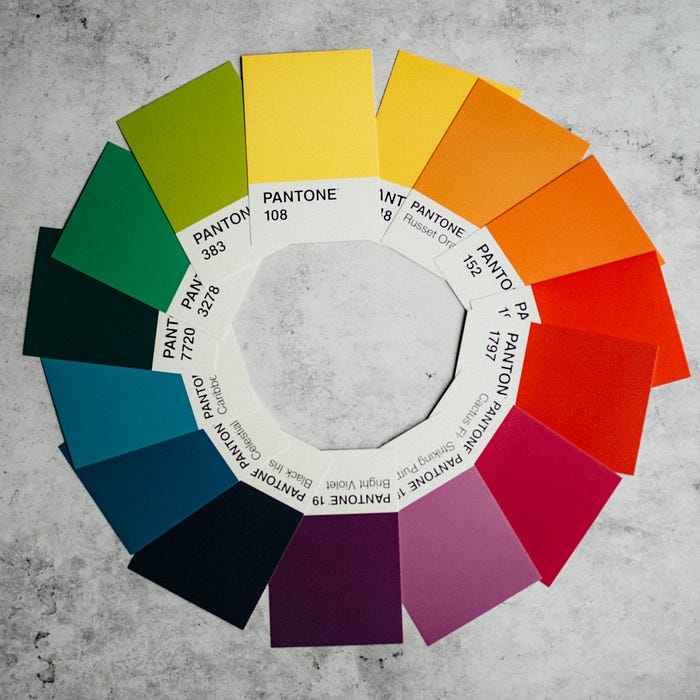
Learning a little bit about colour theory is another good strategy to start to bring colours together. Starting very simply such as being able to identify the difference in temperature in colours, knowing whether they are warm or cool, will give knowledge and confidence in combining colours. Understanding the colour wheel helps to determine whether colours will pair well together.
Change the mindset
It can be helpful to think differently about colour. Rather than associating it with negative emotions or experiences, we can choose to see it as a positive and fun aspect of fashion. Focus on the positive associations we have with colour and notice people wearing colour effectively to begin to shift the mindset. After all, clothing is removable. We can try it on and if we feel too noticeable we can try something else until we feel confident.
Give it a go
Taking small steps to incorporate colour into an outfit by using accessories, referring to the colour wheel and starting to think differently about colour can be a positive and fun aspect of dressing.
Start small and build from there.
 elaineflook.online