The fascination and the pain
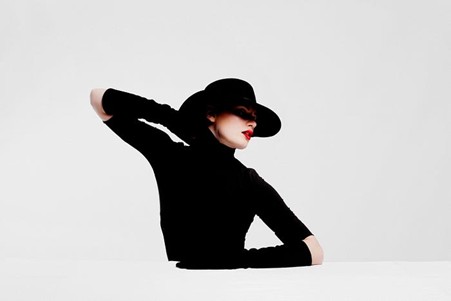
There is no doubt that, with effort, black ‘can’ look stunning but with the technologies we have at our disposal today which enable us to produce fabrics in amazing textures and colours, what is our fascination with wearing black?
As a teenager, like many others, I wanted a black bedroom and wore a lot of black. I wasn’t a Goth but felt it was cool. I think it was a simple way of rebelling and perhaps answering a need to create an identity. I don’t think I realised that actually instead of expressing my identity I just would look like everyone else who wore black all the time. It didn’t last long and I think that it was because, underneath the teenage angst, I loved colour.
So why do so many people wear black so much, like all the time?
- Time pressure. It takes time to choose an outfit in colour and just wearing black is easier.
- It’s slimming.
- It goes with everything.
- It’s cool and sophisticated and shows you have style.
Is it though? These reasons key into my pet hates:
“I always wear black because it’s easy.” – Once you know the colours that suit you, every colour in your wardrobe will go with every colour and it’s as easy as always wearing one colour, black or any other.
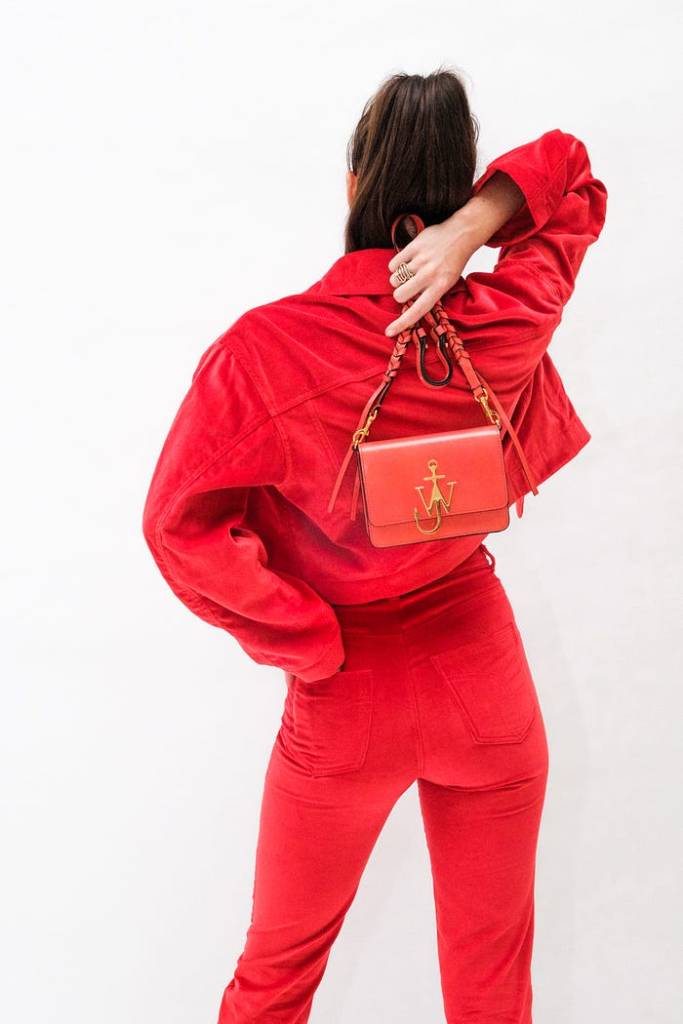
“I wear black because it’s slimming”. Not necessarily, it can emphasise size. It’s much more effective to use a distraction to draw the eye and there are ways to use colour to embrace your shape much more effectively if appearing slimmer is your aim.
“It goes with everything.” Nope. If I see any more black with mustard I will cry.
“It’s stylish and cool.” This can be true but as long as you are perfectly groomed. Black shows every mark, hair and piece of lint so constant grooming is necessary to maintain that sophisticated look. And don’t let your white cat or dog sit on your furniture if you are a full-time wearer of black.
And just to add a few more … it can be boring; it’s not for everyone as it can make you look older and tired depending on your skin tone and hair colour
Wearing all black and accessorising with colour — to “brighten it up” — I hate this — why not wear colour if you want brightness? Although having said that, I do love black with neon, it echoes a neon light in the darkness and that really works.
“I don’t look good in colour.” Everyone can wear colour and by ‘wearing it’ I mean wearing it well and looking good in it. It depends on your hair, eye and skin colour and the degree to which wear it — but everyone can carry colour. Not everyone can carry black.
When I say ‘can’ wear colour, this is not about being allowed to — of course, we ‘can’ all wear any colour we like — but there was a time when society had rules about what we were ‘legally’ allowed to wear. It is called ‘sumptuary law’.
Sumptuary Law
Also known as ‘laws of apparel’, these rules dictated the types of clothing, accessories and even colours the people were allowed to wear, primarily based on their social status.
The sumptuary laws arose from the desire of the ruling classes to keep social order, reinforce social hierarchies, restrict excessive spending on clothing and preserve the social structure.
In medieval England black was associated with mourning and wearing it was an indication of grief but later in Tudor times sumptuary laws introduced restrictions on who could wear black which transformed its significance, however, the association with mourning is still powerful.
During the reign of Queen Elizabeth I, the lower classes were prevented from wearing black to prevent them from imitating the extravagant clothes of the upper classes. Black fabric was very expensive to produce and so only the nobility, high-ranking officials, and members of the royal court were allowed to wear black. The restrictions on wearing black and the expense involved in producing black fabric contributed to the perception of the colour as a symbol of elegance, power and status.
Penalties for wearing black could range from a fine to imprisonment and ‘searchers’ were appointed to enforce the rules and report the offenders.
Whilst keeping order in society, the restriction of the availability of certain fabrics (satin and silk) and colours to specific social classes fueled the desire for innovation and creativity in fashion and to this day reflects the relationship between clothing, identity, politics and social structure.
The colour of bereavement
Colour has an association on many levels and black has long been a widespread colour of bereavement. Queen Victoria went into mourning for her beloved Prince Albert in 1862 and died in black forty years later, leaving her to be remembered forever more as ‘the little woman in black’. Her influence on the fashion to wear black for mourning heavily impacted industries of the time, including the Whitby jet miners in Yorkshire, England who provided the raw material in the 1820s when the fashion to wear mourning buttons and jewellery was at its peak.
At that time industrialists wanted to see their wives in dark colours to convey their association with the wealth generated from industries and commerce driven by coal, such as mill owners, engineers and silversmiths. Black clothing was also highly practical as it didn’t show the marks from the resulting soot in the air generated by this new age of innovation and production.
Mourning at the time was a serious affair and rules of etiquette were strictly adhered to in high society. A woman would move from deepest black after a year, then to half-mourning grey and into mauve.
The clothing could be made in poplin, crepe de Chine, cashmere, voile, silks and satin, elaborate and heavily decorated with jet beads and buttons with no limit to extravagance, as long as it was dark coloured. In the 1800s mourning was big business for small drapers to large department stores having whole departments selling ‘mourning’ fabrics and all the associated items needed to enable a respectable woman to show her respect in her grieving.
In the modern day, it is still the convention to wear black to a funeral to show respect. I have often heard people say, oh that’s not a problem I always wear black anyway. There seems to be no association with the colour of death for them.
The colour of death and bereavement changes across the world. In some Eastern cultures such as China for instance white is worn for weddings and funerals and black is seen as the colour to wear in professional circumstances.
Wearing the ‘wrong colour’ can have a significant impact and, not for the first time, a black wedding dress in England caused a stir when it was the choice of the actress Sarah Jessica Parker when she married Matthew Broderick in 1997.

She reported that she bought the black, Morgane Le Fay dress rather than a white wedding dress to try to avoid the attention of her forthcoming surprise wedding but ironically, of course, it was her black wedding gown that drew much attention.
Today there are several companies who specialise in black wedding dresses. It is no longer the shocking taboo it once was.
When I was in my early 20s, I wore mostly black and remember suggesting to my mother that I would like to wear black should I ever marry. She was horrified. I imagine her association of black with mourning was strong, being the granddaughter of a Victorian woman whose black oval, carved mourning brooch had been handed down to her and now rests with me until my demise. My mother never wore black. She preferred the ‘joy of colour’.
She was not in the society of the 1950s cocktail dresses made famous by Christian Dior ( who is quoted as saying ‘Black is right if you like a sophisticated look.’) firmly establishing it in the realm of style forever more.
Mourning conventions continued to a lesser degree through Edwardian times until after the First World War when resources were less plentiful and many, many people had mourned lost loved ones. Wearing black outside of mourning was considered too old a colour for anyone under 30. There was a desire to move forward from the devastation of World War I.
However, Coco Chanel introduced the black dress in the 1920s Inspired by the utilitarian uniforms of nuns, maids and shop girls. It is said by some that black slims the body, frames the face and hides imperfect tailoring …
… but if you have ever sewn black fabric with black thread you might agree with Coco Chanel when she said “Nothing is more difficult to make than a little black dress.” Simplicity is more difficult to do well, in every area, because there is nowhere to hide.
There is no doubt that black can be stylish …

… but is wearing all black all the time stylish?
I would say if you are a Winter palette, aren’t interested in creating different looks and have no time to be bothered with choosing what to wear each day, then yes.
Of course, wearing head-to-toe black is often stylish and dramatic (I am inviting comment with this article). So I get why so many people do it. But all the time?
Personally, having spent many an early year in black, I now embrace my colours fully and enjoy the vibrancy of expressing myself through a stunning red or a bright turquoise teamed with coral. To me, it is fun, not a chore.
 elaineflook.online