
How many times have you looked in your wardrobe and thought “I have all these clothes and nothing to wear!”?
80% of people wear 20% of their clothes 80% of the time. When you discover the colours which work for you and coordinate your wardrobe, you can wear 80% of your clothes 80% of the time. This will save you money by simplifying your buying choices and making dressing easier.
Colour is one of the more important elements of dressing, it’s often the first thing we notice about a garment. We look for colour first, then fabric, then silhouette and finally detailing. Colour is also a major deciding factor in anything we choose to surround ourselves with. But it’s not a single thing, there are many elements.
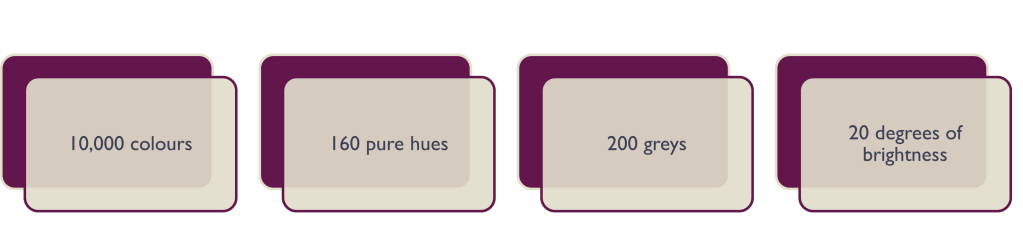
Colours are associated with temperature, they are either cool or warm. Lighter colours have a physical cooling effect and darker colours can be warmer. Think of wearing pale blue instead of black on a hot day or driving a white car instead of a black one. When I was in Arizona a couple of years ago, I had a black hire car and it wasn’t long before I realised mostly everyone else was driving a light colour car. Even with aircon, it would have been a wiser choice.
Colours can be harmonious or complementary. The psychology of colour associates feelings, emotions and states of being with colour and the proportions of an outfit can be drastically influenced by the colours chosen. Light colours bring things forward and darker colours go backward.
A colour sends a message – think of stoplights – red, assistance vehicle lights – orange, emergency – blue, yellow might be a bright idea and green, being the centre of the spectrum, suggests balance. We are influenced by the colours around us without even knowing it – and that includes our clothes.
How colour conscious are you?
When you open your wardrobe are you faced with all colours of the rainbow?
Do you always wear the same shirt/suit combination?
Do you have both fuchsia and peach lipsticks or wear one colour with everything?
Do you have clothes in both emerald and sage green or pastel and royal blue?
Do you wear the same colour combinations all the time because you feel it works?
Have you got bright white and ivory shirts or blouses?
If you are answering ‘yes’ to more than a couple of those questions then you could probably benefit from colour analysis.
What is colour analysis?
Johannes Itten (1888-1967), a Swiss expressionist painter, colourist and teacher noticed his students were most comfortable using colours that suited their personality and personal colouring. Itten further developed Adolf Hoelzel’s ‘colour wheel’ by developing the theory of seasonal colours which is the basis of colour analysis used today by stylists and colour consultants.
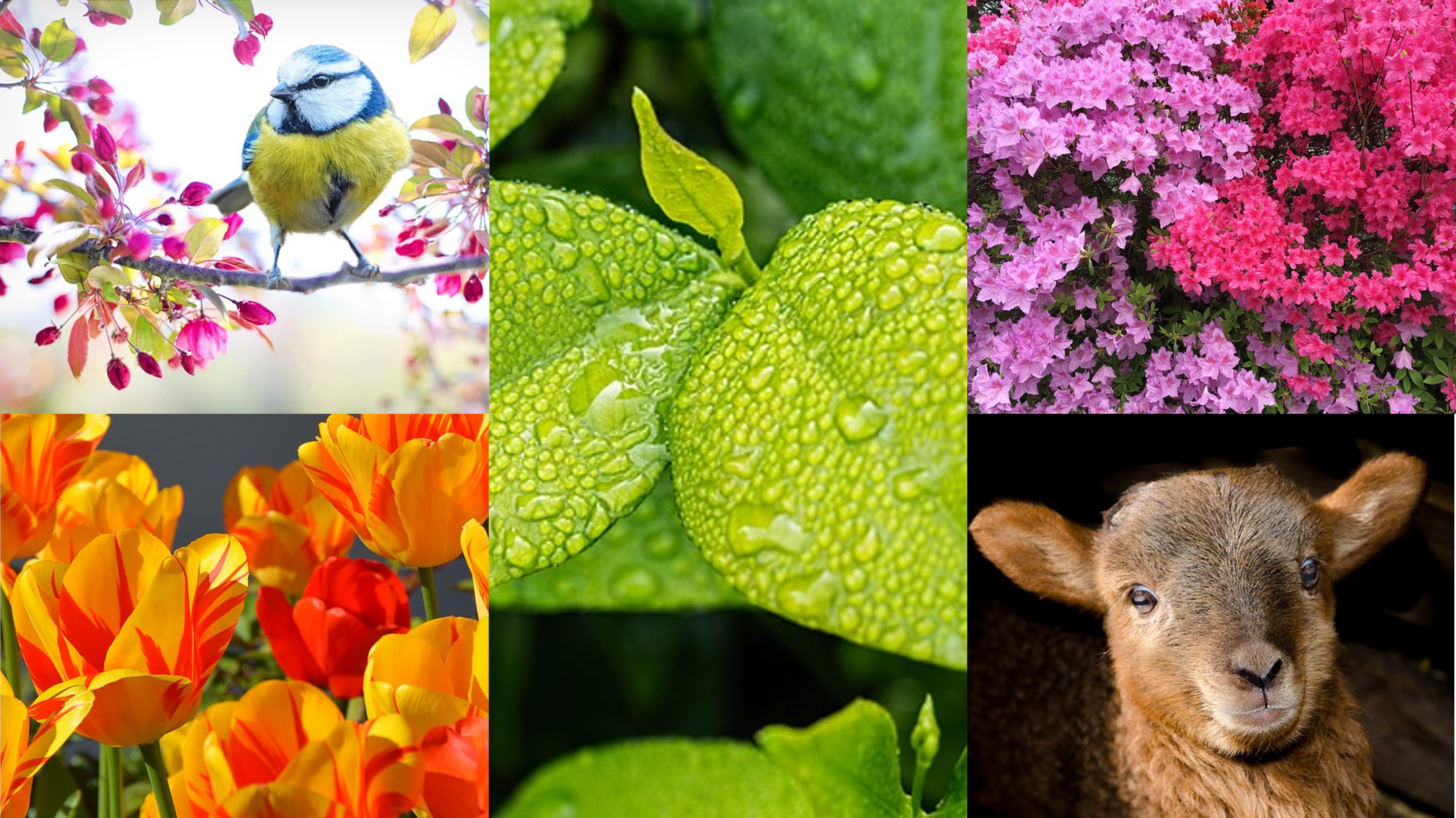


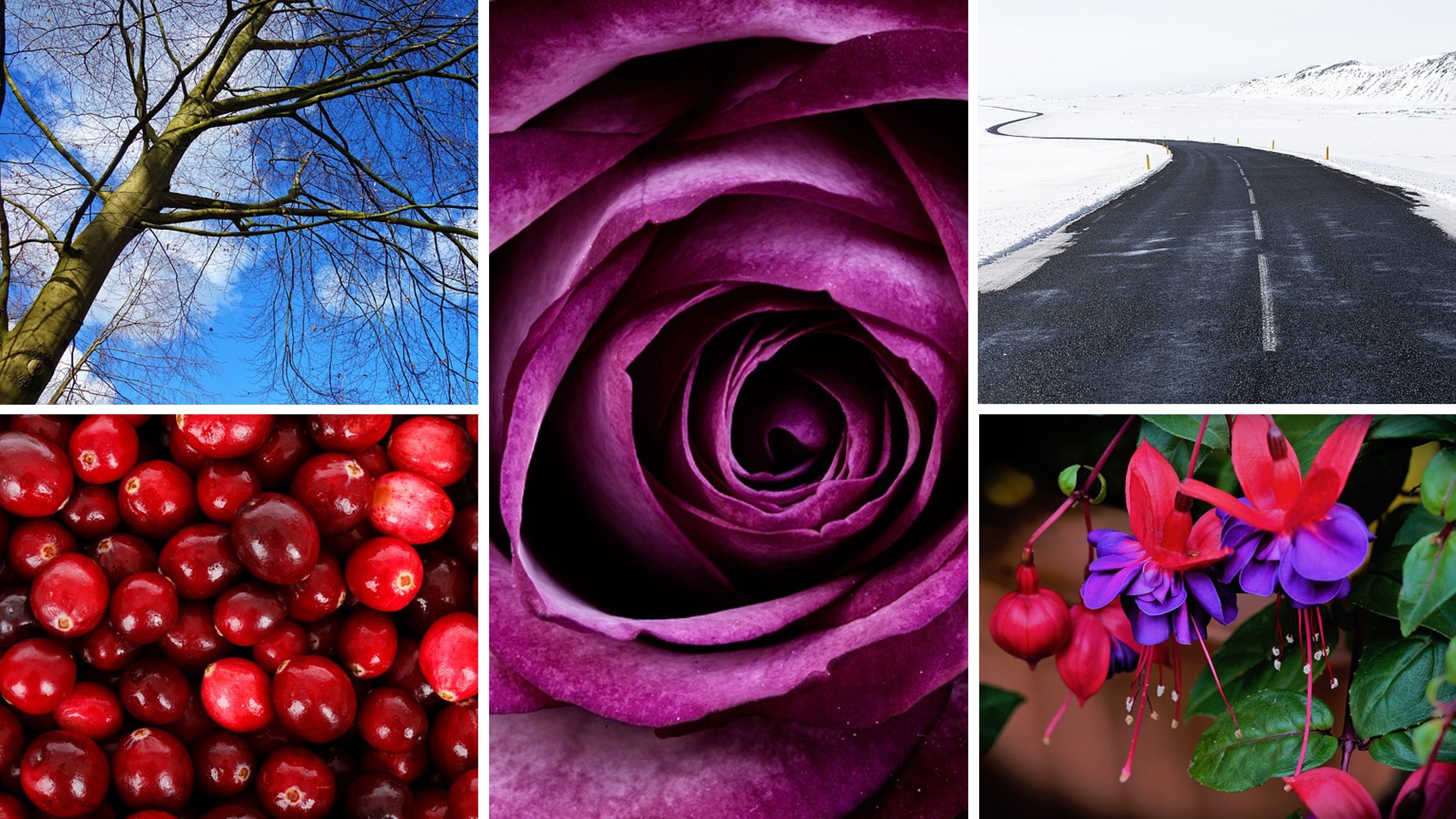
Your skin, eye colour and hair colour are the main factors in determining which colours best suit you and which season you fall into.
Skin colour is the first thing to consider when analysing the colours in which you will look best in. Are you cool or warm, is your skin blue-based or yellow-based? How can you tell? Look at the veins on the inside of your wrist, if they are blue or purple you are more likely to have cool skin undertones, green or olive suggests you are warm and blue-green you are more likely to be neutral. This is simplified but it gives you an idea.
Another way to check it is to find out if you look better in fushia or peach? Hold the colour under your face, which one makes you look tired and which one makes you look fresh? Guess which one you’re going to look better in.
Let’s take Autumn as an example. You will likely look best in autumn colours (easy so far), think of pumpkins, autumn leaves and chocolate by the fire. Your hair shade will probably be dark brown through chestnut, red and copper, your skin tone will be dark brown, olive, golden brown, beige or ivory and your eyes will be dark brown, golden brown, amber, hazel or green. Having said that though, as with everything, there are those that break the rules. I’m one of them. I am Spring, typically they would be fair-skinned, blue-eyed and blonde. I have fair skin but I have dark hair and green eyes so I am a Spring but I am the cooler, Clear Spring. There are nuances within this and different colour analysts will use different systems which break the four seasons down further to accommodate those nuances.
So what’s the point of all this?
When the clothes you buy and wear sit within your colour season, all of your clothes will go with all of your clothes so you will be able to mix your clothes more and find it easier to coordinate your wardrobe. It also saves you time when you shop – you can scan the rails and shelves to find the colour you know is going to look great on you. Knowing your colour season is time well spent.
Once you know the colours that enhance your natural colouring, then you can set about determining your style.
 elaineflook.online